
Lion Coppice
Welcome to Lion Coppice
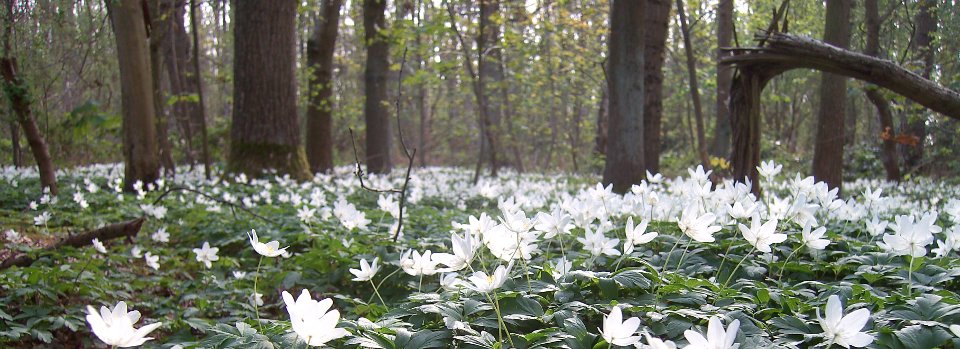
Lion Coppice is a small area of ancient deciduous woodland on the outskirts of the market town of Shrewsbury in the rural county of Shropshire, England. It is bordered on two sides by open fields and is near to the site of the Battle of Shrewsbury, which is why the area today is known as Battlefield. But what used to be the village of Battlefield is gradually being absorbed into the rapidly expanding urban conurbation of Shrewsbury and Lion Coppice is now under threat from developers with plans to build houses right up to the woodland edge, effectively enclosing the coppice within a sea of houses. This is bound to have an effect on the woodland ecology, which depends on the existence of open fields surrounding it.
This website has been created for two purposes. Firstly, it is a focal point for opposition to any plans for further development which would impinge on or adversely affect the ecology and wildlife of Lion Coppice; and secondly, it is a celebration of the coppice, its surrounding fields, ponds and hedgerows and the rich abundance of wildlife that it supports. At the very least it will document what the coppice means to the people who live near it, visit it and care about it, before it is irreparably damaged.
If you care about Lion Coppice and want to help us protect it, then please get in touch.
Please note that Lion Coppice is privately owned and access to the woods requires the permission of the appropriate land owners.
All photographs on this website were taken in Lion Coppice or its immediate surroundings.
Featured species
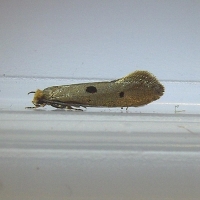
Tinea trinotella a micro moth that is quite common in birds' nests, where it feeds on detritus and food remains. This one was caught flying at dusk on 10 June 2013 and is the 179th moth species to be added to the species list.